New Jitter-Trap tool helps organizations detect stealthy beacon traffic used by C2 communications in victim networks.

New Jitter-Trap tool helps organizations detect stealthy beacon traffic used by C2 communications in victim networks.

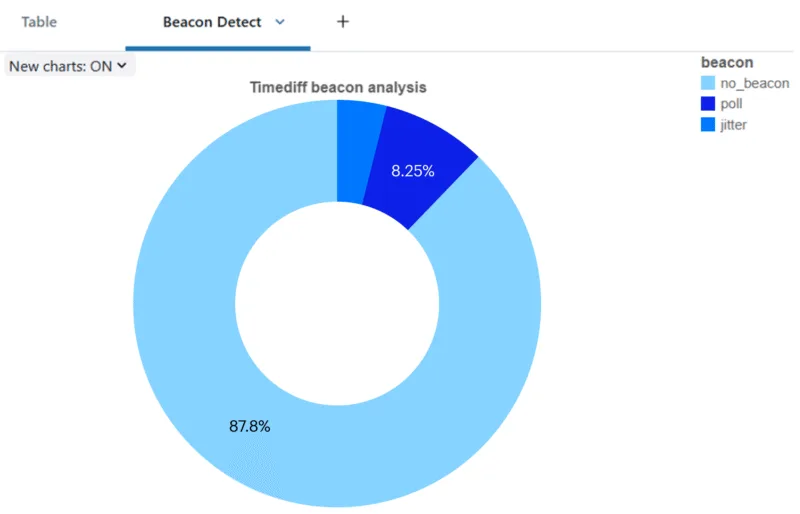
The new Jitter-Trap tool from Varonis is designed to help organizations detect stealthy beacon traffic used by attackers to establish and maintain command and control (C2) communication within victim networks. Beacons are commonly employed by threat actors—including state-sponsored groups and cybercriminals—to avoid detection while executing post-exploitation activities such as data exfiltration, lateral movement, and persistent access.
Researchers call GodFather trogan’s new virtualization technique “a major leap in mobile malware sophistication.”

Researchers call GodFather trogan’s new virtualization technique “a major leap in mobile malware sophistication.”

The GodFather banking Trojan has introduced a highly sophisticated virtualization tactic, marking a significant evolution in mobile malware targeting financial and cryptocurrency applications. This technique enables attackers to hijack legitimate apps in real time, making account takeovers more seamless and harder to detect than ever before.
Hacker in front of China Chinese flag

Russian group, UNC6293, rolls out sophisticated phishing technique that slips past Gmail’s MFA.

A Russian state-linked hacking group, identified as UNC6293 and believed to be associated with APT29, has developed a sophisticated phishing technique that bypasses Gmail’s multi-factor authentication (MFA) by exploiting Google’s app-specific password (ASP) feature. This campaign targeted high-profile individuals by impersonating US State Department officials and using highly convincing social engineering tactics.
New study reveals new details on Russia’s cyber war strategy.

New study reveals new details on Russia’s cyber war strategy.

A newly released study reveals how Russia leverages private companies and hacktivist groups to strengthen its cyber capabilities. The study was conducted by QuoIntelligence, as referenced in the QuoIntelligence Report. Additional analysis and context come from think tanks and cybersecurity researchers, including reports from the Atlantic Council and other academic sources.
Iran’s largest cryptocurrency exchange has been hacked,losing over $90 million in crypto.

Iran’s largest cryptocurrency exchange has been hacked,losing over $90 million in crypto.

Seems like Iran was a bit late to lockdown worldwide Internet access amidst the Israel/Iran/USA? was. Nobitex, Iran’s largest cryptocurrency exchange, was hacked on June 18, 2025, resulting in the theft of over $90 million in cryptocurrency assets. The cyberattack targeted the exchange’s “hot wallet” infrastructure, which is connected to the internet for quick transactions. The stolen funds included Bitcoin, Dogecoin, and more than 100 different cryptocurrencies across multiple blockchains including TRON, Ethereum, and Bitcoin.
Hacker in front of China Chinese flag

New threat actor, HoldingHands, targeting organizations in Taiwan.

The “HoldingHands” threat actor is part of a broader, ongoing campaign targeting organizations in Taiwan since at least January 2025. The group employs a variety of malware tools, including the HoldingHands Remote Access Trojan (RAT), also known as Gh0stBins, as well as other malware strains such as Winos 4.0 and Gh0stCringe. These tools are often delivered through phishing emails that impersonate official communications from Taiwan’s National Taxation Bureau or other trusted entities, using lures related to taxes, invoices, and pensions to trick recipients into opening malicious attachments.